
Composition Class | Nashville
Music Composition
It's all very well knowing how to make a synth sound great, but most musicians would argue that the notes you send to it are much more important. It's not a competition, but you should really have a good idea of both if you wish to take giant leaps in the direction of producing the music you love in-person in Nashville or Live Online.
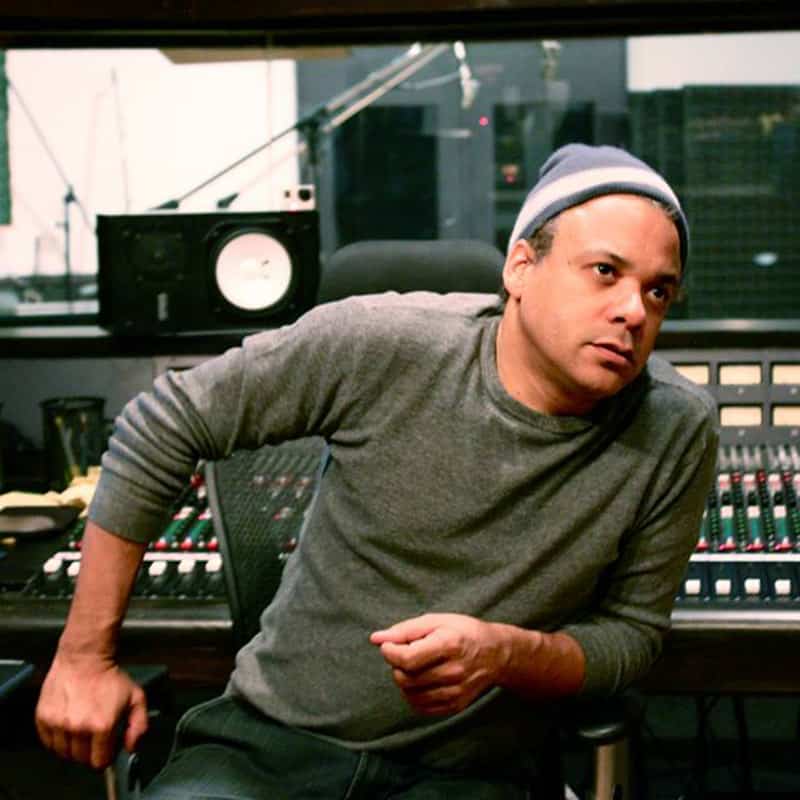
In Nashville, a city built on songwriting and recording, this course is taught by producers who work in its studios. Classes are small and hands-on, and the same sessions are available live online, using our specialist music collaboration software, Muse. Discover qualities that distinguish us, here.
Music Theory Insights
- →Embark on a journey to understand the language of music. Explore the foundations that shape melodies, harmonies, and rhythms, turning theory into a tool for creative expression.
Arranging Mastery
- →Discover the subtle art of arranging. Learn how to assemble musical elements, creating arrangements that flow seamlessly and enhance the emotional impact of your compositions.
Chords Explored
- →Dive into the world of chords, where major and minor variations add depth and emotion to your music. Explore the nuances that different chords bring to your compositions.
Crafting Leads
- →Hone your skills in crafting memorable melodies. Understand the balance between simplicity and complexity, creating leads that leave a lasting impression without overwhelming the listener.
Keys Demystified
- →Take a closer look at musical keys and their impact on the mood of your compositions. Learn how to choose the right key to convey the desired emotion in your music.
Structure Essentials
- →Grasp the fundamental principles of song structure. Explore the common building blocks of verses, choruses, and bridges, and understand how they contribute to a cohesive musical narrative.
Student reviews.
“I came into the program with no idea how to work logic and after the intensive week I walked out programming beats, using loops and samples…I feel like I can take my music to the next level now. Thanks :)”
Christy Thompson
Instructors



Common questions, answered.
Yes - see Music Composition Private Instruction to connect with a specialist.
18 hours as a group course, or 11 hours 1-on-1.
Yes - sessions run in-person or Live Online.
Yes - "Structure Essentials" walks through verses, choruses and bridges and how they build a cohesive song.
Writing - it's built around the idea that the notes and structure you write matter more than how a synth sounds, covering theory, arranging, chords, melody and structure.
Writing melodies that stick with a listener - balancing simplicity and complexity so a lead doesn't overwhelm the track.
$799 + $100 Registration if booked 14 days before start or $999 + $200 Registration
Let's get you started.
InquireMusic theory practice, chord progressions, keys and scales
A music production college once asked me to teach music theory and composition - chord progressions, keys and scales, from the ground up.
Read →Major, minor and extended chords on the keyboard and piano
Music theory practice, part two: major, minor and extended chords on the keyboard, and how to voice them.
Read →Songwriting, Music Composition writing chords and bass lines
A last day with a songwriting and composition class - chord sequences, melody, structure, rhythm, lyrics, arrangement and bass lines.
Read →Logic pro 9 Environment Chord Memorizer: Musical tips
The Chord Memorizer in Logic's environment layer, and how to use it as a shortcut for writing chords.
Read →Can You Learn How To Become a Songwriter? | Songwriting Help
Songwriting is a gift, but it is also a craft - and the craft half can be taught. What you can learn, and what you cannot.
Read →Audio Interfaces
Audio Interfaces An audio interface is a piece of hardware that connects musical instruments, microphones, and other sound sources to a computer. The audio interface acts as a bridge between the analog audio signals from the instruments and the digital signals that the computer can understand and pr
Read →